Les bénéfices et les limites des règles de sauvegarde des joueurs

Share on facebook
Share on twitter
Share on linkedin
top Legiano Casino casino argent réel offre

Quand j’ai commencé à m’intéresser de près aux jeux d’argent en ligne en Belgique, j’ai vite saisi le poids des règles de sauvegarde des joueurs. Ces dispositifs, qu’on voit souvent comme des entraves, façonnent pourtant toute l’expérience utilisateur et le lien de crédibilité entre un casino et sa communauté. Comme partenaire affilié qui observe le marché depuis des années, je vois à quel point ces mesures divisent. Certains y voient un bond en avant pour la sécurité, d’autres une forme d’infantilisation qui bride la liberté de chacun. Dans cet article, je vous propose de regarder ensemble les deux côtés de la pièce, en m’appuyant sur le cadre belge, mon vécu et l’exemple concret du programme d’affiliation de Legiano Casino. Mon but n’est pas de trancher, mais de donner une vision équitable pour vous aider à construire votre propre avis.

L’encadrement légal en Belgique : une nécessité ancestrale

Avant de poursuivre, je dois rappeler pourquoi la Belgique a choisi de réguler aussi rigoureusement les jeux de hasard. La loi du 7 mai 1999, modifiée plusieurs fois, a mis en place un cadre particulier en Europe, avec la Commission des jeux de hasard comme autorité de contrôle. Cette législation est née d’une volonté politique de canaliser une pratique déjà très répandue tout en luttant contre l’offre illégale. J’ai souvent entendu des remarques sur la lourdeur administrative, mais je comprends la logique de départ : protéger les mineurs, prévenir l’addiction et garantir l’intégrité des opérateurs. Dans un pays où les salles de jeux physiques et les paris sportifs sont ancrés dans la culture, le législateur a voulu éviter les dérives observées ailleurs. Aujourd’hui, tout casino en ligne qui veut opérer légalement sur le territoire belge doit obtenir une licence A+ et se soumettre à des inspections permanents.

Cette approche a eu un effet concret sur la protection des joueurs https://legianos.eu/fr-be/legal-and-affiliates/. Les obligations imposées aux titulaires de licence incluent la vérification d’identité, l’interconnexion avec le système EPIS (Excluded Persons Information System) et la mise en place d’outils d’auto-limitation. Je me souviens de mes premiers pas comme joueur sur une plateforme légale belge : j’ai dû fournir un scan de ma carte d’identité et fixer une limite de dépôt hebdomadaire avant même de pouvoir miser un centime. Sur le moment, j’ai trouvé cela ennuyeux. Avec le recul, je réalise que cette étape m’a protégé de décisions impulsives. Le cadre belge, bien que rigide, a le mérite d’instaurer un environnement où la transparence et la responsabilité ne sont pas de simples arguments marketing. C’est un socle sur lequel les opérateurs sérieux, comme Legiano Casino dans sa démarche de conformité, peuvent bâtir une relation durable avec leurs utilisateurs.

Alors que la sauvegarde devient une source de frustration

En dépit de ces avantages, je ne peux omettre les reproches fréquents que j’recueille de mon entourage. Le grief majeur concerne la pesanteur des formalités. Pour un amateur ponctuel qui souhaite seulement tester une appareil à rouleaux pendant une soirée, le parcours d’inscription peut paraître repoussant. Transmettre des papiers, espérer la confirmation du compte, configurer des limites : ce processus, bien qu’utile, dissuade une portion des joueurs. Quelques-uns m’avouent qu’ils choisissent de s’orienter vers des établissements sans licence, exactement pour esquiver ces papiers. C’est un résultat contre-productif que le pouvoir législatif n’a sans doute pas envisagé avec assez de finesse. En souhaitant trop préserver, on risque de pousser les joueurs vers l’offre illégale, là où aucune sécurité n’existe. J’ai personnellement tergiversé, à mes premiers pas, devant la complication de la validation à double facteur requise par certaines établissements bancaires belges pour les opérations liées aux jeux d’argent.

Un autre désagrément important réside dans la contrainte des bonus et des offres promotionnelles. Les règles belges interdisent les offres excessivement alléchantes, comme les offres de premier dépôt sans engagement ou les spins sans frais sans apport. Je comprends l’intention de ne pas pousser à la surconsommation, mais je note que cela transforme l’activité moins attractive en comparaison des casinos étrangers. Les joueurs belges se sentent parfois lésés, particulièrement lorsqu’ils comparent les offres disponibles sur des portails internationaux. De surcroît, la stricte application des seuils de déficit peut s’avérer exaspérante pour les parieurs importants qui gèrent leur bankroll de manière réfléchie. J’ai vu des profils expérimentés quitter l’écosystème légal parce qu’ils ne toléraient plus d’avoir à justifier tout retrait conséquent. La frontière entre défense et paternalisme est ténue, et je crois que le système actuel aurait avantage à accorder plus de souplesse pour les parieurs avertis, sans compromettre la protection des plus vulnérables.

Les bénéfices indéniables des dispositifs de protection

Lorsque j’échange avec d’autres utilisateurs, je remarque que les atouts des dispositions de sécurité sont souvent sous-estimés. Pourtant, ils sont multiples et concrets. Celui qui qui me vient à l’esprit est la prévention de la dépendance. En mettant en place des plafonds de dépôt, des rappels de temps de jeu et des périodes de réflexion obligatoires, les casinos légaux aident les clients à rester maîtres. J’ai personnellement reçu un message d’avertissement après une session excessive : cela m’a permis de faire une pause et de revenir plus apaisé. Un autre bénéfice crucial est la sécurisation des données privées et bancaires. Les plateformes légales sont tenues de suivre des normes de sécurité strictes, ce qui réduit significativement les risques de fraude ou d’usurpation d’identité. En Belgique, le régulateur s’assure à ce que les fonds des joueurs soient isolés sur des comptes séparés, une garantie essentielle si l’opérateur faisait faillite.

Je tiens également à souligner l’importance de la contrôle d’âge et de l’exclusion des personnes vulnérables. Grâce au système EPIS, les joueurs bannis du jeu sont automatiquement bloqués sur toutes les plateformes légales du pays. Cette coordination est inédite et, à mon sens, exemplaire. Voici une récapitulatif des principaux avantages que j’constate au quotidien :

  • Maîtrise budgétaire : les plafonds de dépôt personnalisables évitent les pertes excessives et promuvent une gestion saine du budget loisir.
  • Protection des mineurs : le contrôle d’identité systématique érige une barrière efficace contre le jeu des moins de 18 ans.
  • Environnement de jeu équitable : les générateurs de nombres aléatoires sont audités, garantissant des résultats véritablement aléatoires et non truqués.
  • Recours en cas de litige : la Commission des jeux de hasard offre une médiation neutre, ce qui responsabilise les opérateurs.
  • Soutien psychologique : les casinos légaux ont l’obligation de orienter les joueurs en difficulté vers des services d’aide spécialisés.

Sécurité des joueurs et affiliation : l’exemple de Legiano Casino

En qualité d’affilié, je suis directement touché par l’influence des règles de protection sur le promotion des casinos. Le programme d’affiliation de Legiano Casino illustre bien comment un opérateur peut harmoniser conformité et performance. Legiano Casino, bien qu’opérant sous une licence internationale, adapte sa communication au marché belge en respectant rigoureusement les principes de jeu responsable. Je travaille avec eux depuis plusieurs mois et j’ estime leur transparence : les conditions des offres sont compréhensibles, les limites de dépôt sont mises en avant, et aucun message ne sous-entend que le jeu pourrait être une source de revenu. Cette approche éthique me permet de promouvoir leurs services en toute sérénité, en sachant que je ne contribue pas à des pratiques trompeuses. Pour un affilié, la réputation est capitale, et je préfère m’ associer à une marque qui place la protection des joueurs au cœur de sa stratégie.

Naturellement, ce positionnement a aussi des conséquences sur le volume de conversions. Les restrictions promotionnelles diminuent mécaniquement l’ attrait immédiat des offres, ce qui contraint les affiliés à redoubler d’efforts pour démontrer la valeur ajoutée du casino au-delà du bonus. Avec Legiano Casino, j’ sais à mettre en avant la fiabilité du service client, la rapidité des paiements et la excellence de l’expérience mobile. Ces arguments, moins tape-à-l’œil qu’un bonus démesuré, fidélisent un public plus réfléchi et réduisent le taux de désabonnement. Je note que les joueurs recrutés via ce canal sont plus avertis des enjeux et jouent de manière plus réfléchie. Au final, le programme d’affiliation de Legiano Casino montre qu’il est possible de construire un partenariat durable sans violer les règles de protection. C’est une leçon que je garde pour l’ensemble de mes collaborations.

Questions fréquentes sur la protection des joueurs

Les plafonds de dépôt sont-ils imposés sur chaque casino belge ?

Certainement, la législation belge impose à tout prestataire titulaire d’une licence A+ de offrir un mécanisme de limites de dépôt que le parieur doit déterminer dès l’inscription. Ces seuils peuvent être de la semaine ou mensuels et sont ajustables, mais toute augmentation prend effet après un période de réflexion de 72 heures. Cette mesure a pour but à empêcher les décisions impulsives. D’après mon expérience, ce processus est l’un des plus efficaces pour éviter les pertes excessives, quoiqu’il peut agacer les joueurs pressés.

Comment marche le système EPIS en Belgique ?

EPIS, ou Excluded Persons Information System, est une registre centralisée gérée par la Commission des jeux de hasard. Toute individu qui s’est de son plein gré exclue ou qui a été empêchée de jeu par décision judiciaire y est recensée. Les casinos agréés vérifient impérativement cette liste avant d’approuver l’accès à leurs services. J’ai accompagné un ami dans une procédure d’auto-exclusion et j’ai pu noter l’performance du système : une fois inscrit, il est devenu infaisable de jouer sur le moindre site agréé belge, ce qui a représenté un réel rempart contre la rechute.

Les règles de protection portent-elles préjudice aux programmes d’affiliation ?

Elles les modifient plus qu’elles ne les pénalisent. C’est vrai que les contraintes sur les bonus rendent la conversion plus ardue à court terme. Néanmoins, je remarque que les joueurs attirés par des arguments de sécurité et de transparence sont plus fidèles et cultivent une plus-value à long terme plus grande. Avec Legiano Casino, j’ai adapté ma stratégie de contenu pour sensibiliser mon audience sur le jeu responsable, ce qui a consolidé ma crédibilité. Les commissions peuvent donc rester stables, voire augmenter, à condition d’admettre un cycle de vente plus long.

Est-il possible de déjouer les barrières en utilisant des casinos étrangers ?

Techniquement, oui, et c’est un enjeu que je ne saurais pas ignorer. De nombreux joueurs belges se connectent à des plateformes établies à l’étranger, régulièrement sans aucune vérification d’identité. Mais en agissant cela, ils renoncent à toute protection : aucun recours en cas de conflit, aucun garde-fou contre l’accoutumance, et un risque majoré de tromperie. Je déconseille vivement cette pratique. Il vaut mieux accepter quelques obligations sur un site autorisé que de gaspiller son argent sur un site opaque. Legiano Casino, par exemple, applique des standards exigeants même en dehors du cadre belge précis, ce qui en fait une alternative intéressante pour ceux qui recherchent un équilibre.

En définitive, les règles de protection des joueurs ne sont ni idéales ni totalement liberticides. Elles illustrent un choix de société que j’ai commencé à estimer au fil de mon parcours. Si je devais résumer ma position, je dirais que ces dispositifs sont indispensables pour les profils vulnérables, mais qu’ils vaudraient la peine d’être assouplis pour les joueurs expérimentés capables de s’autoréguler. L’essentiel est de ne jamais perdre de vue que le jeu doit demeurer un divertissement, et que la sécurité ne devrait jamais être mise de côté au nom du profit ou de la liberté absolue.


Subscribe to the Mailing List.

We provide information about our services online so clients can understand our approach. Every individual’s experience is unique and results vary. Our website is for informational purposes and should not be taken as medical or psychotherapeutic advice or a guarantee of results. Ultimately, the result one gets from our services vary. If at any point you have questions about whether your therapy experience is supporting your goals, please talk directly to your provider.

Rajesh Jagannathan

Rajesh Jagannathan

Rajesh Jagannathan was born in India and earned a B.Tech in Computer Science from IIT, Madras. After spending a few youthful years in the Masters/Ph.D. program at the Ohio State University moved to the Bay Area for work. Since then he has stayed in the Bay Area and worked in tech for the better part of 20+ years. He has been with the center since its inception playing a key advisory role on tech related matters.

He enjoys living in the bay area with his family, exploring the outdoors in California and the world at large. While interests change over time some constants through the years have been travel, cooking, painting and board games. Lately all his spare time has been consumed by pickleball.

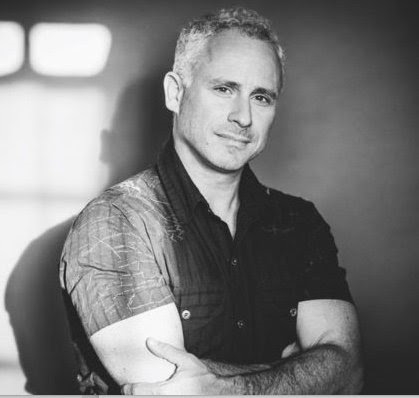
David Pepper

David Pepper, MD (Retired)

Dr. Pepper was born in San Francisco and attended UC Berkeley and then Medical and Graduate School in Iowa. Returning to California, he practiced and taught full spectrum Family Medicine with UCSF for 30+ years, working in Fresno, San Francisco and Contra Costa Counties. 1,000 births and 1,000 deaths one could say – with thousands of Families in between… in the ER, Hospital and Outpatient Clinics – always with a focus on Family and Community.
 
He has a long interest in Psychedelics and completed the CPTR program through CIIS in 2023. He is passionate about helping people think about how to craft their second half of life with meaning, including planning for a natural End of Life process that is not over medicalized.  He believes that a well planned End of Life allows people to live well.  More about his work can be found here.  
 
He brings his expertise in clinical assessment, and the tools that support this to working with the Team at Oakland DBT and Mindfulness Center to develop best practices for working with clients seeking expanded state treatment.  He collaborates with his wife who also works with clients in Expanded States.  He enjoys his 4 children, gardening, hiking, and community.
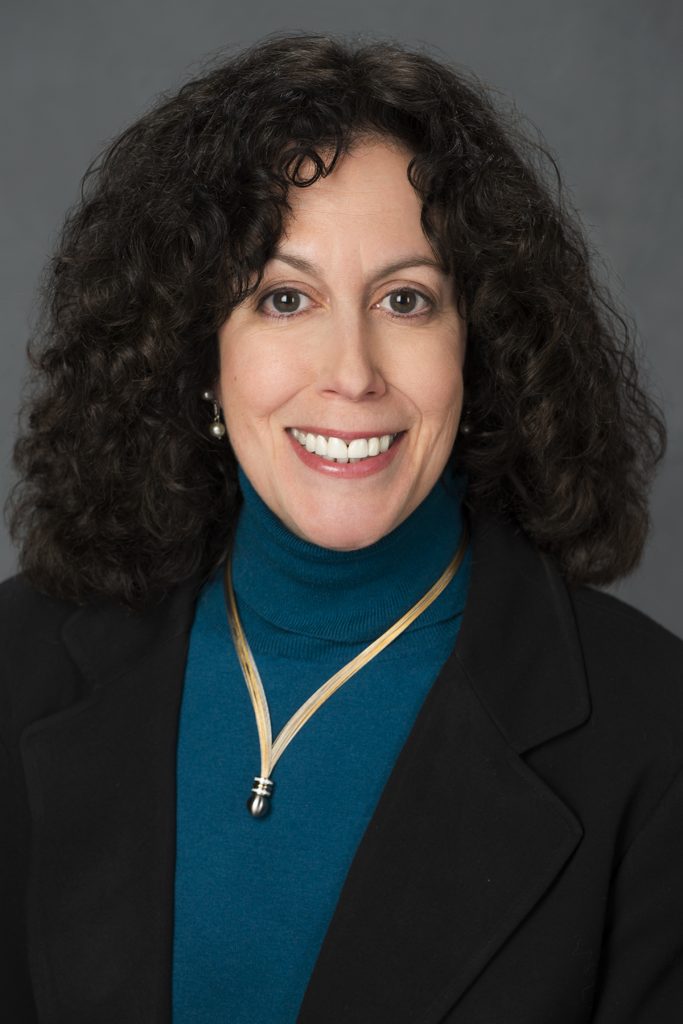
Rochelle

Rochelle Frank, PsyD

Rochelle Frank, PhD is a clinical psychologist in Oakland, CA with over 30 years of experience in both the public and private sectors. Dr. Frank earned her doctorate in clinical psychology at Syracuse University and completed her clinical training at Yale Psychiatric Institute. She specializes in evidence-based transdiagnostic treatment of  complex and co-occurring mood, anxiety, and trauma disorders in adults and adolescents, and related  problems in high-conflict couples and families. 

In addition to her private practice Dr.  Frank is an assistant clinical professor of psychology at the University of California, Berkeley, and also  holds faculty and supervisory appointments at The Wright Institute and the University of California San  Francisco School of Medicine.  She is co-author of The transdiagnostic road map to case formulation and  treatment planning: Practical guidance for clinical decision making (Frank & Davidson, 2014; New Harbinger),  a contributing author to S. G. Hofmann & S. C. Hayes (Eds.), Beyond the DSM (2020, New Harbinger), and  currently serves on the board of directors for the Institute for Better Health.

Dr. Frank has been involved with Oakland DBT and Mindfulness Center since 2012.  She has served as a clinical consultant and focuses on helping the Team bring a transdiagnostic process-based perspective to case formulation and treatment planning, as well as integrating methods from other third-wave cognitive behavioral therapies into the DBT model.  

In addition to enjoying time with her family, Dr.  Frank is an avid golfer, home chef, and a frequent beta-tester of her clinical skills while skiing and mountain biking.

Michael Stanger

Michael Stanger, MD

I am a board-certified psychiatrist practicing in California and Colorado across a range of settings – inpatient, outpatient, emergency and partial hospital, with current affiliations at Contra Costa Regional Medical Center and Boulder Community Health.

I have a particular interest in the therapeutic utility of ketamine to support psychotherapy. I began working with ketamine in 2016, initially in my California private practice where I administered oral and intramuscular doses. I have since continued to support therapist access and to develop understanding around the most effective use of these modality. In related work, I have mentored with the CIIS Center for Psychedelic Therapies and Research and taught sessions with the Polaris Insight Center on ketamine.

My background includes childhood immigration from South Africa to New York, working in the technology industry for several years and then traveling in an unscripted manner to arrive at the awareness that medicine, and ultimately psychiatry would be the path to be helpful to others in an applied way.

Chrysanthe

Chrysanthe Christodoulou

Operations Manager

Chrysanthe is our Operations Manager and one of our in-house Mindfulness Experts. She connects with new clients as they come into the Center, oversees day to day operations and runs special projects.  She is instrumental in supporting the Team by bringing joy, flow and ease.

Chrysanthe studied Meditation, Yoga, and Mindfulness with some of the most respected teachers of our time. She also holds a BS in Economics.  This combination of skills ensures our Center runs efficiently behind the scenes and lends wisdom to our budding Mindfulness Program.

Her local teaching career has spanned the Bay Area and beyond: overseas in Spain, Chile, Greece, and Amsterdam; and locally in San Francisco, Marin, Berkeley, Oakland, and Walnut Creek. Chrysanthe honors the magic in both movement and stillness, stirring energy and witnessing what emerges as everything settles into place. 

When Chrysanthe isn’t handling the business end of the Center or running mindfulness programming, you can find her exploring trails with her wolf pup, finding connection in community, and enjoying the sun and the sea.

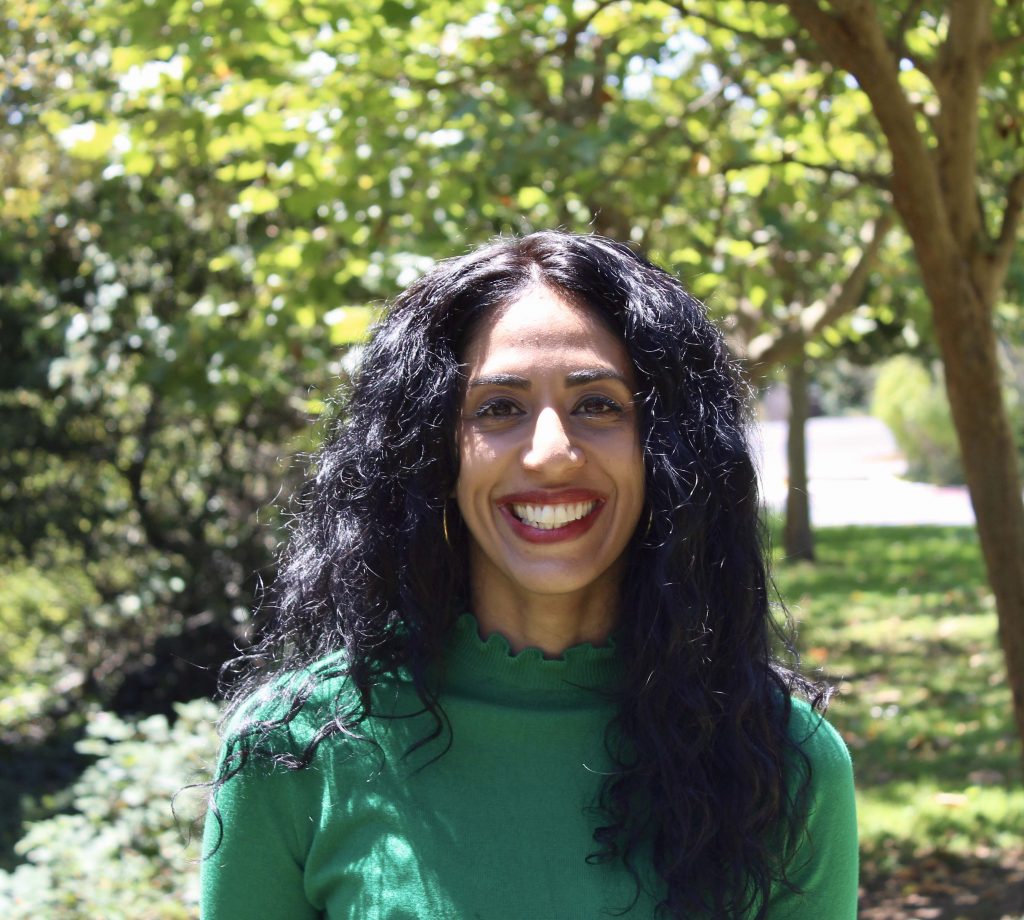
Priya Jogia

Priya Jogia

Licensed Clinical Social Worker (LCSW)

​​Priya Jogia is a licensed clinical social worker (LCSW). Since 2013, she has worked in various clinical settings including: community mental health, hospital, and outpatient programs. Priya’s also spent time in Vietnam studying international social work and the relationship between culture, ethnicity, and mental health.

Priya is an active practitioner of mindfulness-based behavioral therapies including DBT and ACT, and has extensive training in CBT. As a DBT therapist, she’s seen the positive impact of using DBT skills in her own life, and is strongly committed to helping clients live meaningful lives that are aligned with their values.

Priya has an interest in perinatal mental health and working with BIPOC populations, and she strives to integrate a social and racial justice lens into her work. While being a therapist has brought a lot of meaning to Priya’s life, she tries not to take herself too seriously, and gets much joy from being a mum, being in nature, and cuddling with her dog.

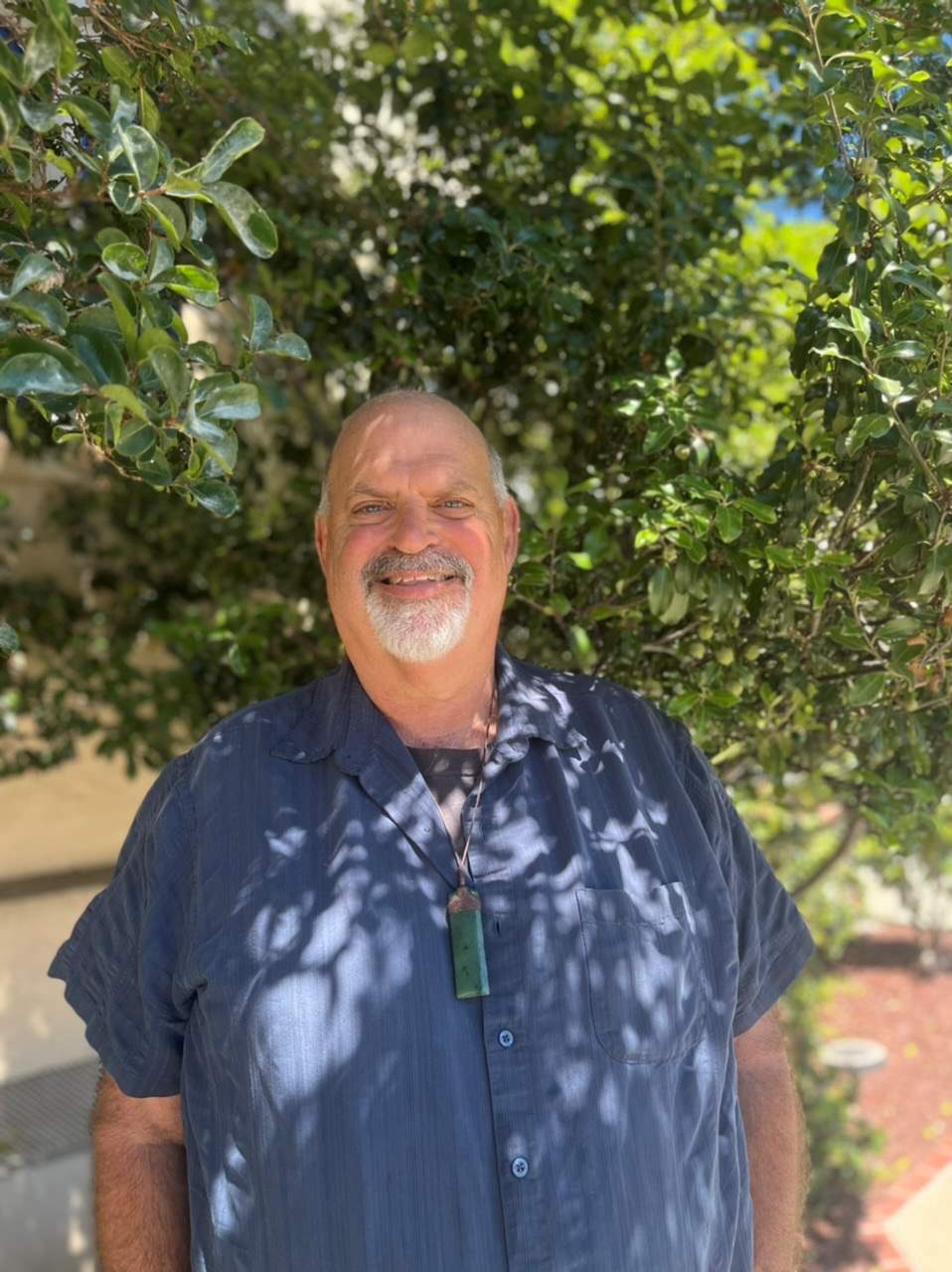
Jay Indik

Jay Indik

Licensed Clinical Social Worker (LCSW)

Jay brings his compassion, creativity, and equanimity to support each person who seeks therapy.. He believes that what makes each person happy is connected to their deepest sense of what is important. Jay listens for how each client can idiosyncratically transform their suffering into a happier life. As a result of working with Jay folks’ learn to address unwanted behavior, regulate their emotions, recover from individual or cultural trauma, repair relationships, and organize their behavior consistent with their values Jay has intensive training and has practiced the following modalities for decades: DBT, Narrative Therapy, Somatic Experiencing, Sensory Modulation, Psychodynamic Treatment and Expressive Arts Therapies. Jay specializes in working with couples, parents, parent child dyads and young adults, as well as with individuals from mid-life through retirement. Jay’s experience as a theater director, parent, teacher, and executive combined with his knowledge of research validated treatments allows him to best relate and serve each individual.

Jay has two adult children (one daughter, one non-binary), a “Real Dads Love Trans kids” t-shirt, and one amazing grandchild he watches one day a week.

Ari Tavano

Ariana Tavano

Licensed Clinical Social Worker (LCSW)

Ari Tavano is a licensed clinical social worker (LCSW). She has worked in an array of clinical settings for over ten years, and utilizes the diversity of her experience to foster a therapeutic frame rooted in curiosity and empathic regard. She specializes in working with those looking to cultivate self-growth, increase interpersonal efficacy, and develop an affirming relationship with their internal worlds.

Ari extends a humanistic approach to her work by nourishing the whole self – according to one’s intersectionality and inherent wisdom. She is trained in DBT and other treatment modalities, including CBT, Existentialism, and Trauma Theory. She harmonizes the concepts of behaviorism and intuitiveness of relational healing, with opportunities to explore psychedelics and expanded-state work.

Ari invites you to build capacity for both processing and playfulness. She prioritizes humor and is often found in the ocean, on the dance floor, and imagining her next adventure. Ari has also worked as a licensed public school teacher in Hawai’i and documentary photographer in South Africa. She is committed to equity, inclusion, and the pursuit of social justice.

Alyson Barry, PhD

Licensed Clinical Psychologist

Alyson Barry, PhD, is a licensed clinical psychologist with experience across a wide range of treatment settings since 2005, including inpatient hospitals, intensive outpatient programs, community mental health, and private practice.

Alyson discovered Dialectical Behavior Therapy (DBT) in 2013 through her own yoga and meditation practice, which inspired her to pursue advanced training in mindfulness-based therapies. She is especially passionate about working with individuals who have experienced developmental trauma. Her approach begins by addressing what is happening in the present, helping clients build practical skills that improve the way they relate to themselves, others, and the world around them. Over time, this foundation can create the conditions for deeper healing of longstanding emotional wounds.

Alyson believes therapy works best as a collaborative process. She strives to ensure that clients understand and agree with any diagnosis, treatment plan, or therapeutic technique, fostering an environment grounded in transparency, respect, autonomy, and trust. She also believes that humor and a touch of irreverence can be powerful tools for making therapy feel more human, authentic, and accessible.

Outside of work, Alyson enjoys snorkeling, spending time with friends, and hanging out with her cat.

Alyson provides telehealth therapy for clients in California, Colorado, Florida, and Washington state.

Heather Macbeth

Heather Macbeth

Licensed Marriage & Family Therapist (MFT)

Heather co-founded the Oakland DBT & Mindfulness Center in 2012 and is the Director of Community Partnerships. She specializes in DBT, EMDR and KAP (Ketamine-assisted psychotherapy). She offers a relational, somatic, evidenced based, experiential and humanistic approach to her work and is committed to relieving psychological suffering. Her style is both compassionate and gentle as well as directive and aims to be supportive of each person’s unique needs. Her work focuses on emotion regulation, changing persistent cycles of self-blame, listening more closely to intuitive knowing, healing from trauma and increasing self compassion. She is committed and dedicated to helping her clients have a life where they can find themselves thrive vs. just survive. Working as a therapist, clinical supervisor, skills group teacher, workshop facilitator and business owner has brought her a lot of joy. In addition to a private practice setting she has worked in community mental health organizations with disenfranchised youth and families and in public schools as a Behavioral Specialist. Heather works with adults and teens. She is trained in EMDR and is certified in EAP (Equine-assisted psychotherapy, yes, horses!) and offers equine-facilitated learning workshops in the Bay Area.

Heather lives in Oakland with her husband and twin teenagers. In her free time, and in ideal worlds, she is exploring jungles, hot springs, beaches, hanging out with animals (large and small), riding horses, enjoying good food, travel and most importantly time with loved ones.

Christine Benvenuto

Christine Benvenuto

Licensed Marriage & Family Therapist (MFT)

Christine is a Licensed Marriage and Family Therapist and the co-founder and Executive Director of the Oakland DBT and Mindfulness Center. She brings over 25 years of experience in mental health to her work, with a background in working with people in all walks of life in residential, outpatient and home based settings. A systems thinker, valuing sustaining relationships, she works with individuals, couples and groups, with a strong belief that small shifts can create dynamic changes.

She blends a lifetime of interest and practice in somatics, meditation, embodiment, psychedelics and the arts with a passion for social justice, nature and thriving ecosystems. Her mentors are psychologically savvy, center co-existence, value differences and maintain a sense of humor.

Her professional training spans from depth oriented, expanded state and attachment based to behavioral styles of treatment. She co-creates a therapeutic container that feels collaborative, warm, dynamic, thoughtful and deeply resonant.

She works with individuals, couples and groups, offering ongoing weekly therapy, Ketamine-Assisted Psychotherapy and Consultation.

Along side of her professional life, Christine is grateful for her extended web of relationships as daughter, sister, wife, friend, step-mom and community connector.