Live Chat Turns Sharper BetOnRed Casino Improves Helpdesk throughout Australia

Share on facebook
Share on twitter
Share on linkedin
Betonred Casino Review ᐈ max. 100% up to C$750 Bonus + 250 FS

BetOnRed Casino has quietly rolled out a substantial enhancement to its customer assistance framework, and the change is already being felt by users logging in between Sydney and Perth bet-onred.eu.com. The previous ticketing system and simple chat bot have given way to a smooth, talkative assistant that grasps context, recalls previous conversations, and replies with real subtlety. For players in Australia accustomed to quick answers during nighttime gambling sessions, the enhanced system is more than just a technical update. It signals a deliberate effort to place player care at the centre of the digital experience, respecting both time and individual preference without pointless hassle or promotional noise.

A Fresh Era of User Engagement

BetOnRed Casino has always placed support as a pillar of its platform, but the new improvements elevate that commitment to a new level. The system now understands intent rather than just keyword matching. This means a player typing a informally phrased question about a late payout will not receive a canned answer. Instead, the chat engine parses the sentiment, checks account status in real time, and creates a reply that personalizes for the particular deal. It seems less like interacting with a bot and more akin to conversing with a real representative who happens to type very quickly.

The transition required rebuilding the backend logic from the foundation. Programmers invested months in training the algorithm on real gaming-related dialogues, including thousands of anonymized dialogues from Australian users. The result is a help platform that interprets regional language differences and the typical flow of player inquiries. Initial responses indicate that customer satisfaction levels are improving, and repeat contact rates for the same issue are dropping noticeably. This is not an incremental patch but a thorough redesign of how a casino support department should work in a mobile-first, always-connected world.

Advanced Chat Fueled by Advanced AI

Natural Language Understanding

The core of BetOnRed Casino’s new support system serves as a natural language processing engine that understands messy, real-world phrasing without requiring perfect grammar. Australian players often communicate in a relaxed, conversational style, blending slang with shorthand. The upgraded chat does not stumble when someone writes “keen as for my bonus to land” or “any dramas with the pokies deposit.” It identifies the intent behind the words and answers with equally relaxed, helpful language. This familiarity with informal speech sets the platform apart from stiff, rule-based bots that frustrate users into requesting a human agent after the first exchange.

Context retention is another critical feature. The assistant retains what was discussed earlier in the same session and accesses relevant account details without requiring the player to repeat information. If a member asks about a specific free spins promotion and then questions about wagering requirements ten minutes later, the system connects the two threads seamlessly. This continuity establishes a natural rhythm that mirrors genuine human conversation, minimizing the cognitive load on the player and rendering problem resolution feel effortless rather than tedious.

Adapting from Every Interaction

Backstage, the chat engine continuously improves its responses through supervised machine learning protocols. Human support specialists review a minor percentage of transcripts to pinpoint edge cases where the AI gave a below par answer. Those corrections feed back into the model, making sure the system becomes more knowledgeable with each passing week. BetOnRed Casino has emphasised that Australian usage patterns obtain particular attention, as the local player base shows distinct preferences in game types, peak support hours, and seasonal deposit behaviour connected to events like the AFL finals or Melbourne Cup period.

The learning loop also identifies emerging issues before they worsen. If an unusual number of players from Brisbane or Adelaide begin noting a similar glitch with a specific game provider, the system marks the anomaly for the technical team. This proactive detection shortens the gap between a problem emerging and a fix being deployed. For the player, the experience feels almost clairvoyant; the chat already is aware of about the issue and can offer a status update without the user needing to explain the symptom from scratch.

Privacy and Confidentiality at the Center

Secured Communications

Every chat message, if handled by the AI or a human agent, moves through end-to-end encryption that satisfies the same standards applied to financial transactions. BetOnRed Casino recognizes that players share sensitive details during support interactions, from partial payment identifiers to identity verification documents. The upgraded infrastructure assures that no third party can intercept or read those exchanges. Australian data sovereignty considerations have also been factored into server placement decisions, providing local users confidence that their information is kept within trusted jurisdictions.

Multi-factor authentication has been integrated into the chat flow for sensitive operations. If a player requests a withdrawal limit increase or an account recovery, the system triggers additional verification steps within the same conversation window. This seamless security layer blocks social engineering attacks while avoiding the awkward disruption of telling the player to switch to email for authentication codes. The design philosophy harmonizes ironclad protection with a frictionless user experience.

Information Security Under Australian Regulation

BetOnRed Casino functions under a licensing framework that includes Australian data protection expectations, even for a platform primarily regulated offshore. The enhanced support system has been reviewed to comply with the Australian Privacy Principles to the fullest extent applicable. Chat logs are stored securely with automatic purging schedules, and players keep the right to request deletion of their interaction history. The casino has released clear documentation explaining how support data is used to improve the AI without compromising individual anonymity.

The internally developed AI model does not transmit conversation data with external advertising networks or analytics platforms. This closed-loop approach comforts privacy-conscious Australians who might otherwise hesitate to engage deeply with a chatbot. BetOnRed Casino’s trust and safety team watches the system for any unintended data leakage, and independent penetration testing is conducted quarterly. The investment in security infrastructure is substantial, showing a long-term view that user confidence cannot be bought with cheap marketing slogans.

Quicker Resolutions with Advanced Routing

Directing Queries to Experts

Not every question requires human intervention, but when it does, the new system excels at connecting the inquiry with the right expert. BetOnRed Casino has developed a sophisticated routing matrix that sorts incoming chat topics into more than forty categories, spanning account verification, bonus terms, technical troubleshooting, and responsible gambling tools. A player inquiring about self-exclusion options in Australia will be transferred directly to a trained responsible gaming officer, bypassing general support tiers entirely.

This triage engine minimizes the dreaded carousel of being passed from one agent to another without resolution. Australian members gain from shorter overall handling times and a higher first-contact resolution rate. The system also considers agent availability and historical performance metrics, guaranteeing that complex payment reversal requests get to someone with deep knowledge of Australian banking processes rather than a junior agent who might require to escalate the matter. Precision routing conserves time and establishes trust.

Lowering Ticket Backlogs

The legacy support system occasionally permitted tickets to linger for hours or even days during exceptionally busy periods. With the intelligent routing and AI-first approach now in place, the backlog has decreased to near zero. Simple queries conclude instantly within the chat window, while those requiring human review go into a prioritised queue that considers urgency and player value. Australian VIP members, for instance, automatically receive expedited handling without needing to request priority service.

Transparency has improved as well. When a case does demand follow-up, the system dispatches proactive status updates via the player’s preferred channel, whether that is in-app notification or email. Members no longer need to chase the casino for an answer. This shift from reactive to proactive communication signals a fundamental change in how BetOnRed Casino handles its relationship with the Australian player community. It changes support from a necessary cost centre into a genuine competitive advantage.

BetOnRed casino » 50 Free Spins sans dépôt pour tester le casino

Adapting the Journey for Australia

Local Slang and Slang

A casino support tool that misunderstands local vernacular can do greater harm than help. BetOnRed Casino has dedicated considerable effort into tuning the chat engine for Australian English, taking into account expressions that might baffle a generic American-English language model. Expressions like “strewth, that deposit went through quick” or “cheers for sorting that” are interpreted accurately and matched with equally authentic responses. The system even detects common abbreviations such as “arvo” for afternoon or “servo” when discussing a nearby deposit point, though those specific terms remain secondary to core gaming inquiries.

This linguistic fine-tuning applies to euphemisms for gambling itself. When a player asks about “having a punt on the roulette” or “giving the slots a crack,” the support system comprehends the sentiment without misinterpretation. Localization also covers date formats, currency symbols, and the subtle differences between Australian English spelling and American variants. Small touches like these make the interaction feel local rather than brought in from a distant corporate office where nobody has ever heard of a Bunnings sausage sizzle.

Understanding Local Payment Methods

Payment support accounts for a significant portion of all casino inquiries, and Australia has a distinct payments landscape defined by specific banking regulations. BetOnRed Casino’s chat assistant is now educated on the nuances of POLi payments, PayID delays, and the various prepaid voucher systems common across the country. When a player from the Gold Coast asks why their bank transfer has not cleared, the system can review the payment type instantly and give an expected timeline grounded in real-world processing windows for Australian financial institutions.

The assistant also understands that Australians frequently use e-wallets like Skrill and Neteller, as well as cryptocurrencies, and customizes its troubleshooting accordingly. If a deposit method carries a specific minimum or maximum limit under local law, the chat proactively notes that detail rather than waiting for the player to find out it through trial and error. This level of regional specificity transforms the support tool from a generic help desk into a knowledgeable companion that truly understands the Australian financial ecosystem.

How the Upgrade Represents for the BetOnRed User Base

Long-time members of BetOnRed Casino will notice the difference the moment they input their first query into the refreshed chat widget. The stiff, slightly robotic tone of previous versions is gone, traded for a friendly and capable helper that feels intuitive with uncanny accuracy. For Australian players who value their downtime and rather devote it to betting instead of waiting for help, the upgrade removes a major point of frustration. Discussion groups are quickly accumulating favorable comments about the speed and personality of the new system.

Trust among players generally builds unnoticeably, by building rapport gradually. The upgraded customer service does not boast and refrains from flashy announcements. It just operates around the clock for thousands of Australians who depend on the platform to handle their money, their data, and their downtime with professionalism. In a fiercely contested landscape where many operators cut corners on customer care, BetOnRed Casino’s intentional commitment signals a respect for the player that words alone cannot convey. This is a background enhancement that alters the complete feel of the betting journey.

Recent players hailing from Australia will come across a support setup that seems surprisingly mature for an online casino. The assistant does not force promotions intensely but instead answers questions clearly and enables the gaming experience shine. This approach matches BetOnRed Casino’s broader brand philosophy of refined quality. The technology is advanced, but the interface is straightforward. The security is thorough, but the interaction is casual. Those differences shape the enhancement and explain why early adopters in Sydney, Melbourne, and Brisbane are already calling it the best support they have encountered in the iGaming space.

The journey toward smarter support is never truly finished. BetOnRed Casino’s engineering teams keep on polish the algorithms, broaden the knowledge base, and prepare the system on new scenarios that appear as the Australian gambling landscape develops. Regulatory updates, new payment methods, and evolving player preferences all feed into the continuous improvement cycle. What launched this quarter will be measurably sharper next quarter. For the Australian player community, that signifies a support tool that does not grow old but instead grows more capable with every casual “G’day” typed into the chat window.

Subscribe to the Mailing List.

We provide information about our services online so clients can understand our approach. Every individual’s experience is unique and results vary. Our website is for informational purposes and should not be taken as medical or psychotherapeutic advice or a guarantee of results. Ultimately, the result one gets from our services vary. If at any point you have questions about whether your therapy experience is supporting your goals, please talk directly to your provider.

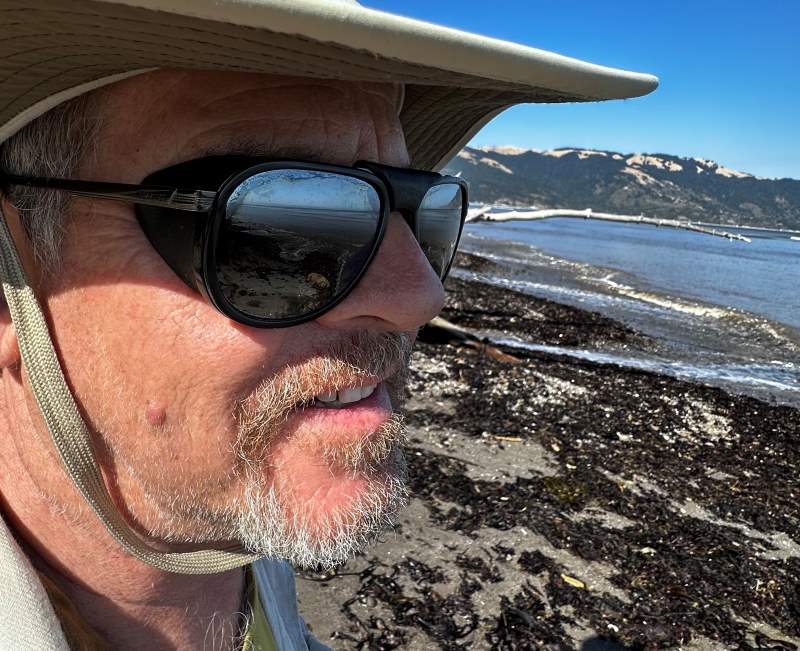
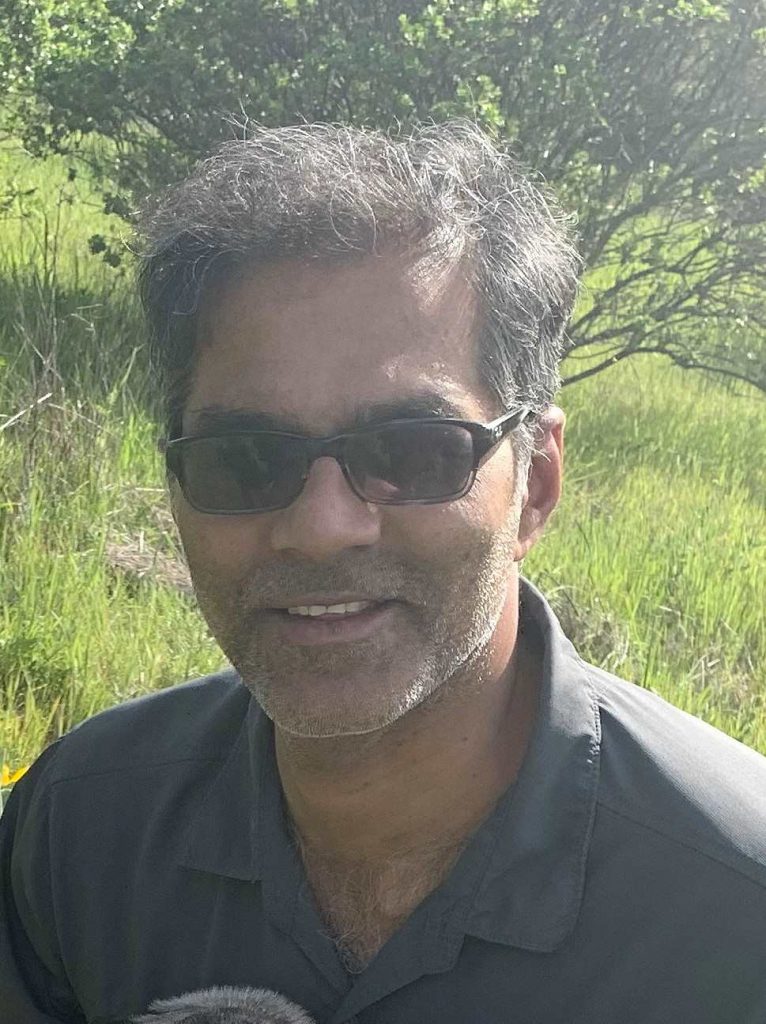
Rajesh Jagannathan

Rajesh Jagannathan

Rajesh Jagannathan was born in India and earned a B.Tech in Computer Science from IIT, Madras. After spending a few youthful years in the Masters/Ph.D. program at the Ohio State University moved to the Bay Area for work. Since then he has stayed in the Bay Area and worked in tech for the better part of 20+ years. He has been with the center since its inception playing a key advisory role on tech related matters.

He enjoys living in the bay area with his family, exploring the outdoors in California and the world at large. While interests change over time some constants through the years have been travel, cooking, painting and board games. Lately all his spare time has been consumed by pickleball.

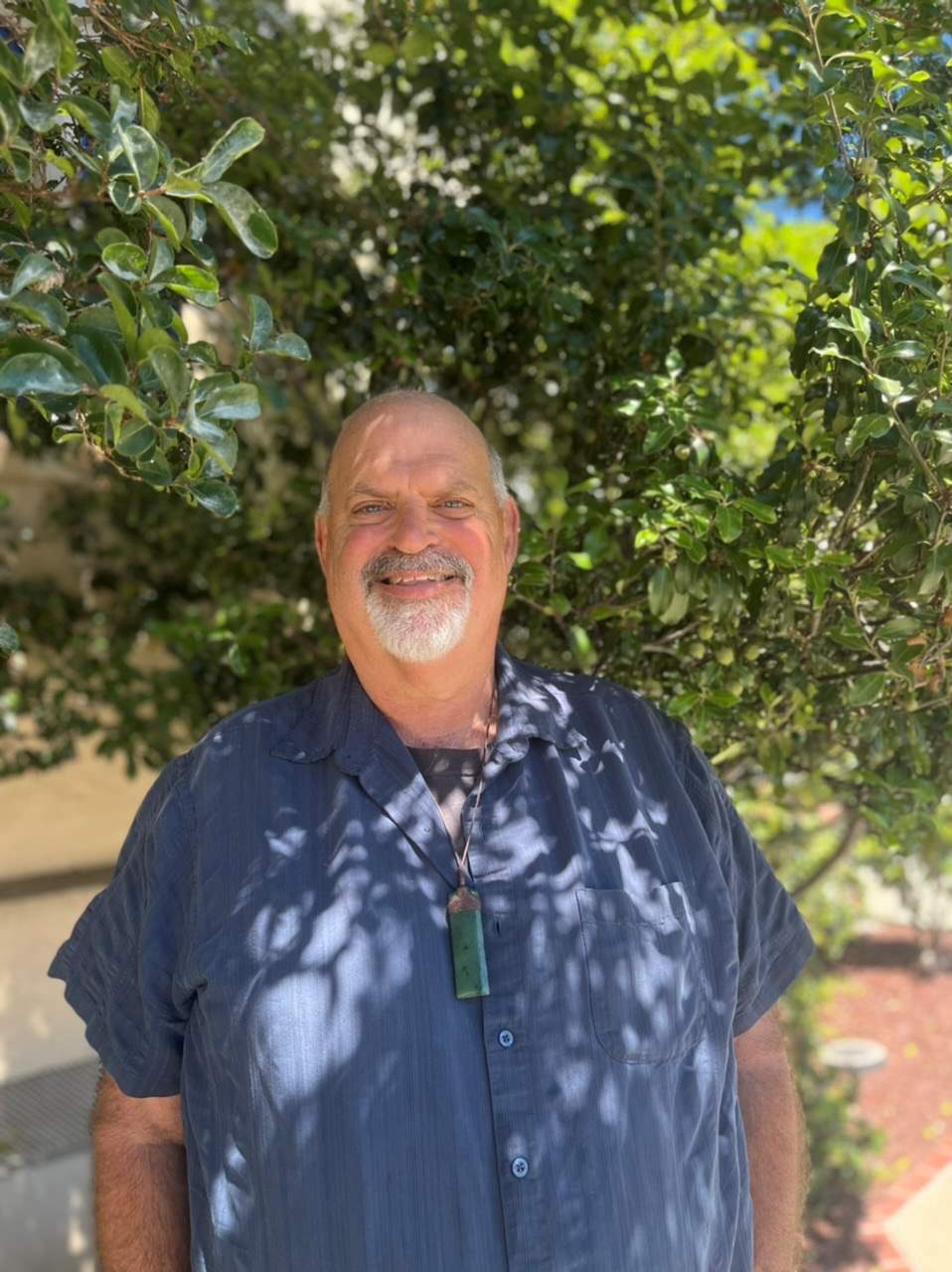
David Pepper

David Pepper, MD (Retired)

Dr. Pepper was born in San Francisco and attended UC Berkeley and then Medical and Graduate School in Iowa. Returning to California, he practiced and taught full spectrum Family Medicine with UCSF for 30+ years, working in Fresno, San Francisco and Contra Costa Counties. 1,000 births and 1,000 deaths one could say – with thousands of Families in between… in the ER, Hospital and Outpatient Clinics – always with a focus on Family and Community.
 
He has a long interest in Psychedelics and completed the CPTR program through CIIS in 2023. He is passionate about helping people think about how to craft their second half of life with meaning, including planning for a natural End of Life process that is not over medicalized.  He believes that a well planned End of Life allows people to live well.  More about his work can be found here.  
 
He brings his expertise in clinical assessment, and the tools that support this to working with the Team at Oakland DBT and Mindfulness Center to develop best practices for working with clients seeking expanded state treatment.  He collaborates with his wife who also works with clients in Expanded States.  He enjoys his 4 children, gardening, hiking, and community.
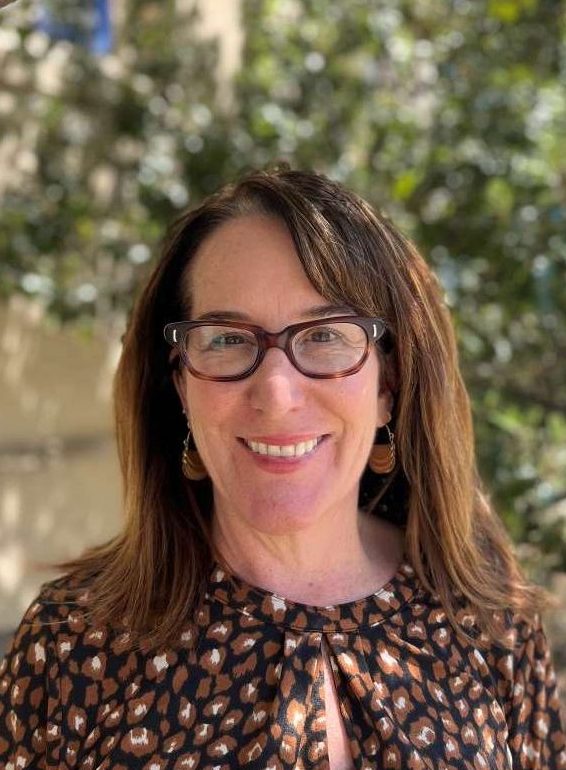
Rochelle

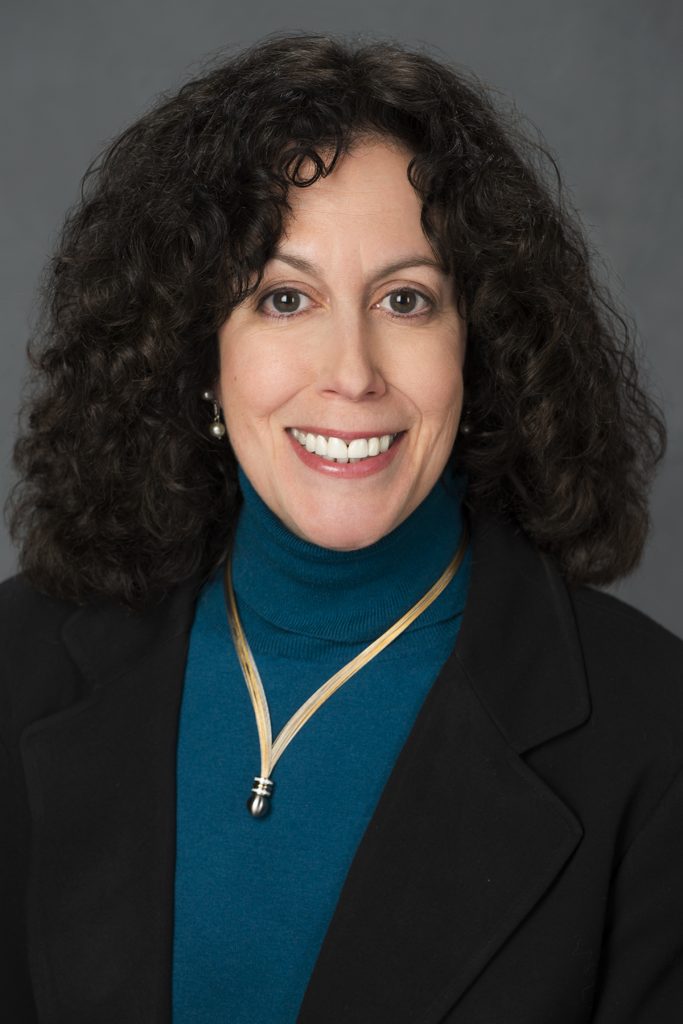
Rochelle Frank, PsyD

Rochelle Frank, PhD is a clinical psychologist in Oakland, CA with over 30 years of experience in both the public and private sectors. Dr. Frank earned her doctorate in clinical psychology at Syracuse University and completed her clinical training at Yale Psychiatric Institute. She specializes in evidence-based transdiagnostic treatment of  complex and co-occurring mood, anxiety, and trauma disorders in adults and adolescents, and related  problems in high-conflict couples and families. 

In addition to her private practice Dr.  Frank is an assistant clinical professor of psychology at the University of California, Berkeley, and also  holds faculty and supervisory appointments at The Wright Institute and the University of California San  Francisco School of Medicine.  She is co-author of The transdiagnostic road map to case formulation and  treatment planning: Practical guidance for clinical decision making (Frank & Davidson, 2014; New Harbinger),  a contributing author to S. G. Hofmann & S. C. Hayes (Eds.), Beyond the DSM (2020, New Harbinger), and  currently serves on the board of directors for the Institute for Better Health.

Dr. Frank has been involved with Oakland DBT and Mindfulness Center since 2012.  She has served as a clinical consultant and focuses on helping the Team bring a transdiagnostic process-based perspective to case formulation and treatment planning, as well as integrating methods from other third-wave cognitive behavioral therapies into the DBT model.  

In addition to enjoying time with her family, Dr.  Frank is an avid golfer, home chef, and a frequent beta-tester of her clinical skills while skiing and mountain biking.

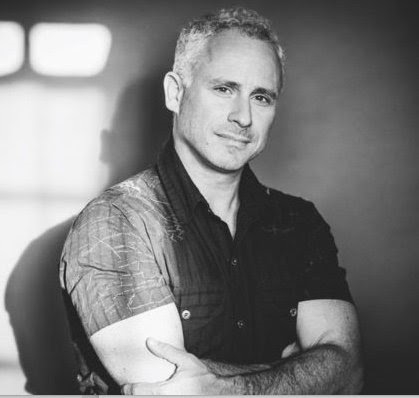
Michael Stanger

Michael Stanger, MD

I am a board-certified psychiatrist practicing in California and Colorado across a range of settings – inpatient, outpatient, emergency and partial hospital, with current affiliations at Contra Costa Regional Medical Center and Boulder Community Health.

I have a particular interest in the therapeutic utility of ketamine to support psychotherapy. I began working with ketamine in 2016, initially in my California private practice where I administered oral and intramuscular doses. I have since continued to support therapist access and to develop understanding around the most effective use of these modality. In related work, I have mentored with the CIIS Center for Psychedelic Therapies and Research and taught sessions with the Polaris Insight Center on ketamine.

My background includes childhood immigration from South Africa to New York, working in the technology industry for several years and then traveling in an unscripted manner to arrive at the awareness that medicine, and ultimately psychiatry would be the path to be helpful to others in an applied way.

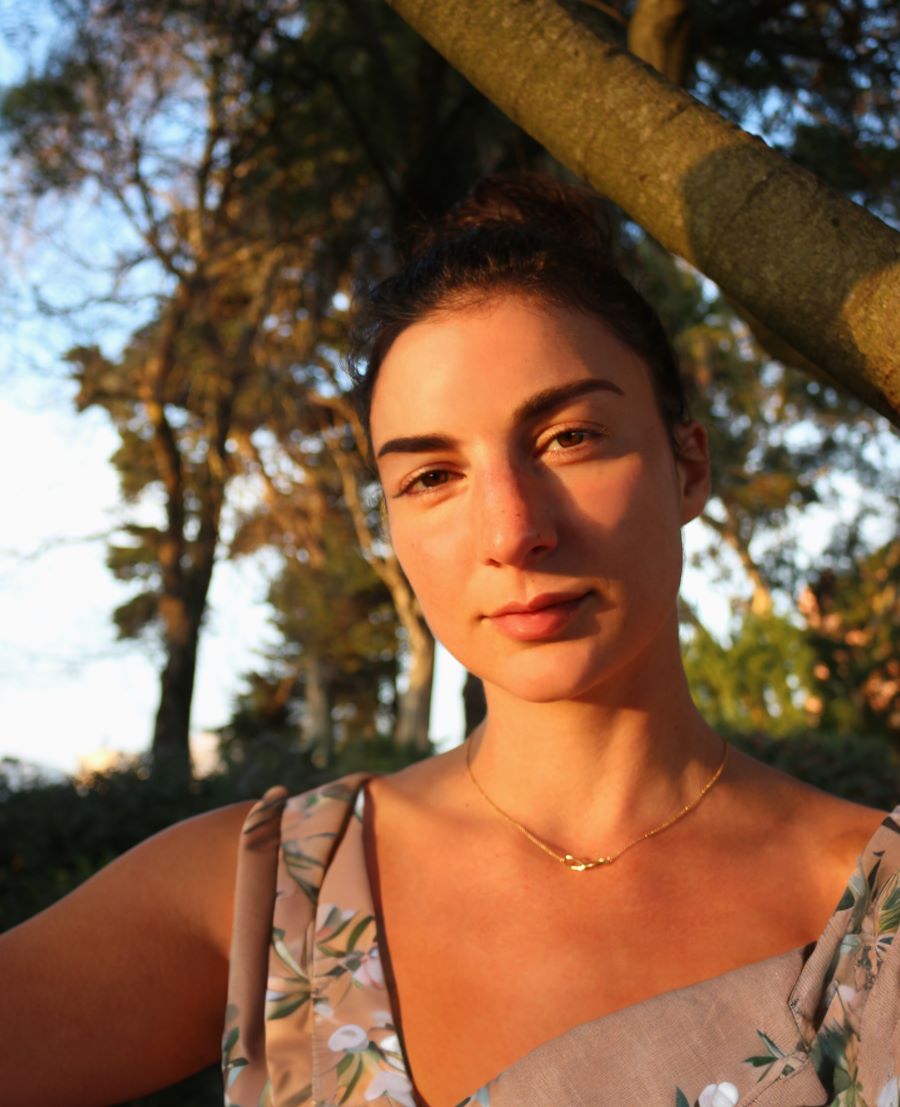
Chrysanthe

Chrysanthe Christodoulou

Operations Manager

Chrysanthe is our Operations Manager and one of our in-house Mindfulness Experts. She connects with new clients as they come into the Center, oversees day to day operations and runs special projects.  She is instrumental in supporting the Team by bringing joy, flow and ease.

Chrysanthe studied Meditation, Yoga, and Mindfulness with some of the most respected teachers of our time. She also holds a BS in Economics.  This combination of skills ensures our Center runs efficiently behind the scenes and lends wisdom to our budding Mindfulness Program.

Her local teaching career has spanned the Bay Area and beyond: overseas in Spain, Chile, Greece, and Amsterdam; and locally in San Francisco, Marin, Berkeley, Oakland, and Walnut Creek. Chrysanthe honors the magic in both movement and stillness, stirring energy and witnessing what emerges as everything settles into place. 

When Chrysanthe isn’t handling the business end of the Center or running mindfulness programming, you can find her exploring trails with her wolf pup, finding connection in community, and enjoying the sun and the sea.

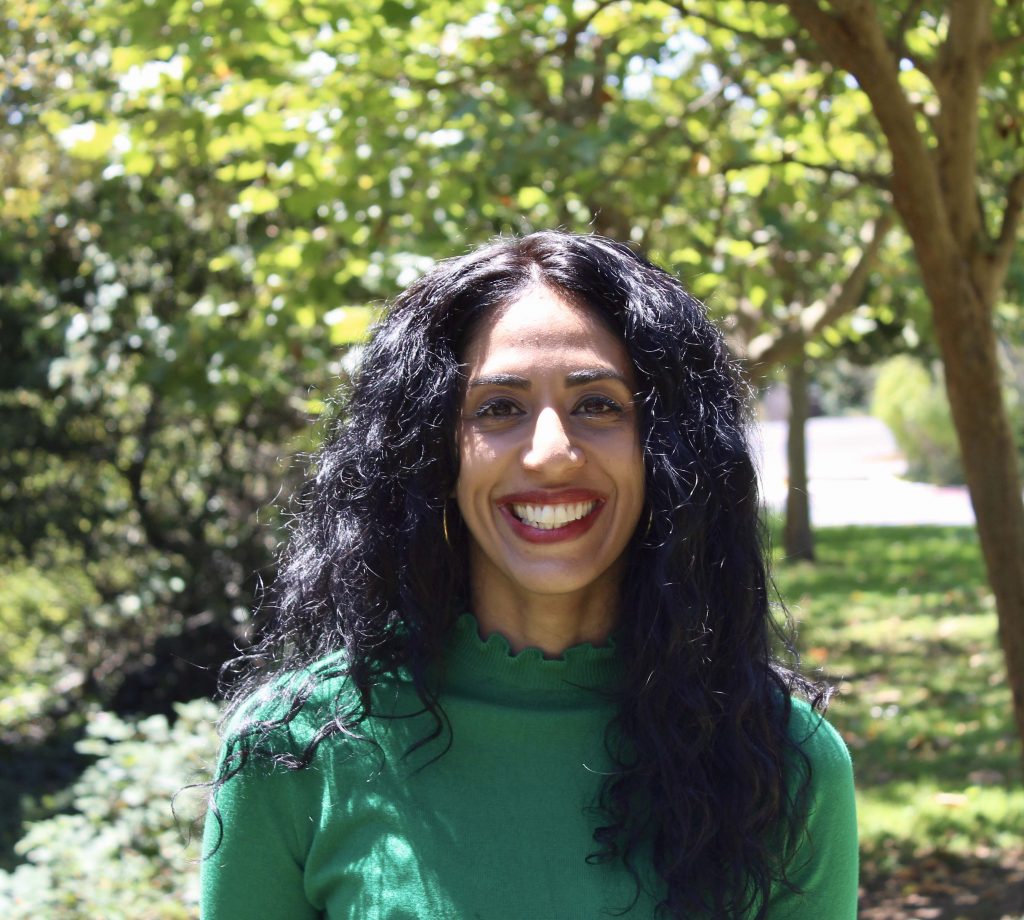
Priya Jogia

Priya Jogia

Licensed Clinical Social Worker (LCSW)

​​Priya Jogia is a licensed clinical social worker (LCSW). Since 2013, she has worked in various clinical settings including: community mental health, hospital, and outpatient programs. Priya’s also spent time in Vietnam studying international social work and the relationship between culture, ethnicity, and mental health.

Priya is an active practitioner of mindfulness-based behavioral therapies including DBT and ACT, and has extensive training in CBT. As a DBT therapist, she’s seen the positive impact of using DBT skills in her own life, and is strongly committed to helping clients live meaningful lives that are aligned with their values.

Priya has an interest in perinatal mental health and working with BIPOC populations, and she strives to integrate a social and racial justice lens into her work. While being a therapist has brought a lot of meaning to Priya’s life, she tries not to take herself too seriously, and gets much joy from being a mum, being in nature, and cuddling with her dog.

Jay Indik

Jay Indik

Licensed Clinical Social Worker (LCSW)

Jay brings his compassion, creativity, and equanimity to support each person who seeks therapy.. He believes that what makes each person happy is connected to their deepest sense of what is important. Jay listens for how each client can idiosyncratically transform their suffering into a happier life. As a result of working with Jay folks’ learn to address unwanted behavior, regulate their emotions, recover from individual or cultural trauma, repair relationships, and organize their behavior consistent with their values Jay has intensive training and has practiced the following modalities for decades: DBT, Narrative Therapy, Somatic Experiencing, Sensory Modulation, Psychodynamic Treatment and Expressive Arts Therapies. Jay specializes in working with couples, parents, parent child dyads and young adults, as well as with individuals from mid-life through retirement. Jay’s experience as a theater director, parent, teacher, and executive combined with his knowledge of research validated treatments allows him to best relate and serve each individual.

Jay has two adult children (one daughter, one non-binary), a “Real Dads Love Trans kids” t-shirt, and one amazing grandchild he watches one day a week.

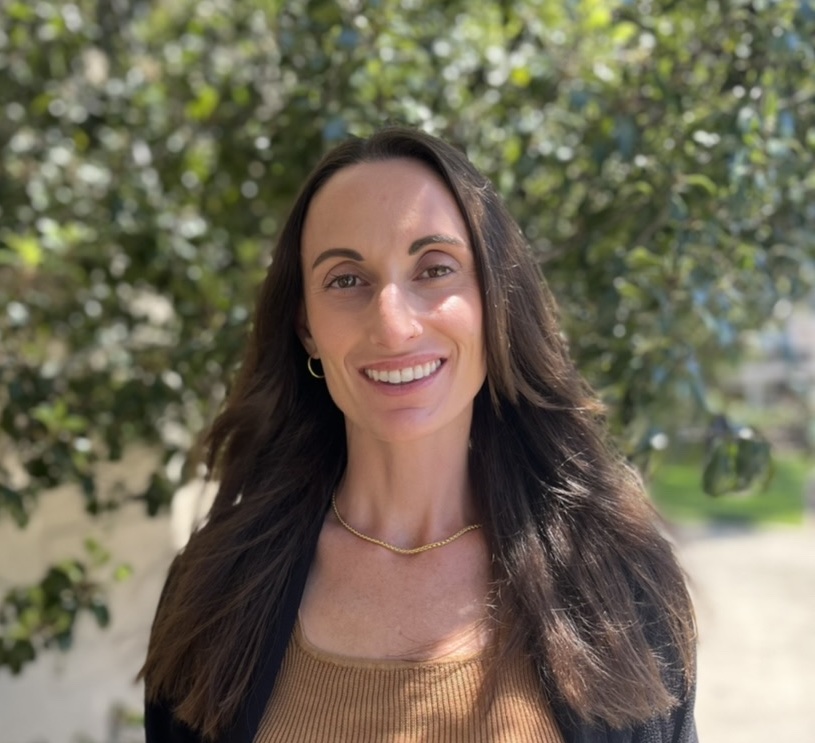
Ari Tavano

Ariana Tavano

Licensed Clinical Social Worker (LCSW)

Ari Tavano is a licensed clinical social worker (LCSW). She has worked in an array of clinical settings for over ten years, and utilizes the diversity of her experience to foster a therapeutic frame rooted in curiosity and empathic regard. She specializes in working with those looking to cultivate self-growth, increase interpersonal efficacy, and develop an affirming relationship with their internal worlds.

Ari extends a humanistic approach to her work by nourishing the whole self – according to one’s intersectionality and inherent wisdom. She is trained in DBT and other treatment modalities, including CBT, Existentialism, and Trauma Theory. She harmonizes the concepts of behaviorism and intuitiveness of relational healing, with opportunities to explore psychedelics and expanded-state work.

Ari invites you to build capacity for both processing and playfulness. She prioritizes humor and is often found in the ocean, on the dance floor, and imagining her next adventure. Ari has also worked as a licensed public school teacher in Hawai’i and documentary photographer in South Africa. She is committed to equity, inclusion, and the pursuit of social justice.

Alyson Barry, PhD

Licensed Clinical Psychologist

Alyson Barry, PhD, is a licensed clinical psychologist with experience across a wide range of treatment settings since 2005, including inpatient hospitals, intensive outpatient programs, community mental health, and private practice.

Alyson discovered Dialectical Behavior Therapy (DBT) in 2013 through her own yoga and meditation practice, which inspired her to pursue advanced training in mindfulness-based therapies. She is especially passionate about working with individuals who have experienced developmental trauma. Her approach begins by addressing what is happening in the present, helping clients build practical skills that improve the way they relate to themselves, others, and the world around them. Over time, this foundation can create the conditions for deeper healing of longstanding emotional wounds.

Alyson believes therapy works best as a collaborative process. She strives to ensure that clients understand and agree with any diagnosis, treatment plan, or therapeutic technique, fostering an environment grounded in transparency, respect, autonomy, and trust. She also believes that humor and a touch of irreverence can be powerful tools for making therapy feel more human, authentic, and accessible.

Outside of work, Alyson enjoys snorkeling, spending time with friends, and hanging out with her cat.

Alyson provides telehealth therapy for clients in California, Colorado, Florida, and Washington state.

Heather Macbeth

Heather Macbeth

Licensed Marriage & Family Therapist (MFT)

Heather co-founded the Oakland DBT & Mindfulness Center in 2012 and is the Director of Community Partnerships. She specializes in DBT, EMDR and KAP (Ketamine-assisted psychotherapy). She offers a relational, somatic, evidenced based, experiential and humanistic approach to her work and is committed to relieving psychological suffering. Her style is both compassionate and gentle as well as directive and aims to be supportive of each person’s unique needs. Her work focuses on emotion regulation, changing persistent cycles of self-blame, listening more closely to intuitive knowing, healing from trauma and increasing self compassion. She is committed and dedicated to helping her clients have a life where they can find themselves thrive vs. just survive. Working as a therapist, clinical supervisor, skills group teacher, workshop facilitator and business owner has brought her a lot of joy. In addition to a private practice setting she has worked in community mental health organizations with disenfranchised youth and families and in public schools as a Behavioral Specialist. Heather works with adults and teens. She is trained in EMDR and is certified in EAP (Equine-assisted psychotherapy, yes, horses!) and offers equine-facilitated learning workshops in the Bay Area.

Heather lives in Oakland with her husband and twin teenagers. In her free time, and in ideal worlds, she is exploring jungles, hot springs, beaches, hanging out with animals (large and small), riding horses, enjoying good food, travel and most importantly time with loved ones.

Christine Benvenuto

Christine Benvenuto

Licensed Marriage & Family Therapist (MFT)

Christine is a Licensed Marriage and Family Therapist and the co-founder and Executive Director of the Oakland DBT and Mindfulness Center. She brings over 25 years of experience in mental health to her work, with a background in working with people in all walks of life in residential, outpatient and home based settings. A systems thinker, valuing sustaining relationships, she works with individuals, couples and groups, with a strong belief that small shifts can create dynamic changes.

She blends a lifetime of interest and practice in somatics, meditation, embodiment, psychedelics and the arts with a passion for social justice, nature and thriving ecosystems. Her mentors are psychologically savvy, center co-existence, value differences and maintain a sense of humor.

Her professional training spans from depth oriented, expanded state and attachment based to behavioral styles of treatment. She co-creates a therapeutic container that feels collaborative, warm, dynamic, thoughtful and deeply resonant.

She works with individuals, couples and groups, offering ongoing weekly therapy, Ketamine-Assisted Psychotherapy and Consultation.

Along side of her professional life, Christine is grateful for her extended web of relationships as daughter, sister, wife, friend, step-mom and community connector.